
Tom Barton
Gazette Des Moines Bureau
September 22, 2026
Critics want Alliant to prove its new Iowa power plants are needed before billions spent
Iowa’s consumer advocate and a coalition of business and clean-energy groups have urged state regulators to deny Alliant Energy’s plans to build natural gas plants in northeast Iowa unless the company proves the plants are necessary and cost-effective, warning customers could otherwise incur billions in capital and fuel costs.
The Iowa Business for Clean Energy (IBCE) — a nonpartisan coalition of businesses and community leaders working to advance reliable, affordable and clean energy solutions — has raised concerns about Alliant’s plan to add thousands of megawatts of natural-gas-fired electricity in the state, including in Linn County.
The group worries that existing customers could end up paying much of the cost as electricity demand from data centers increases.
"Before Iowa families, small businesses, manufacturers, schools, and local governments are exposed to billions of dollars in risk, the utility should be required to demonstrate that projects are truly needed, are the most cost-effective option available, and that the customers driving the need are paying their fair share,” IBEC Executive Director Bob Rafferty said in a statement.
Alliant, however, says the Riverhawk and Morgan Valley projects are necessary to meet increasing energy demand while “maintaining the reliable, cost-effective service customers and communities depend on,” Alliant said in a statement to The Gazette.
“As demand continues to increase across our service territory, we have an obligation to plan for that growth and ensure we have the resources needed to reliably serve customers,” the utility said.
Alliant disputes cost concerns
Interstate Power and Light Co., an Alliant Energy subsidiary, countered that whether its proposed gas-fired power plant was “prudent, necessary, and cost-effective” was not relevant to whether the Iowa Utilities Commission should grant the company a certificate allowing it to construct the plant.
Those questions, IPL argued in a Sept. 17 filing, belong in a later ratemaking proceeding, when regulators determine whether the utility can recover the project's costs from customers. The company said the commission repeatedly had followed that approach in previous cases.
The utility also said it had committed to keeping its electric base rates stable through the end of the decade.
The dispute centers on IPL’s proposed 1,200-megawatt Riverhawk Energy Center in Cerro Gordo County. The company has said it wants the natural gas plant operating by late 2030.
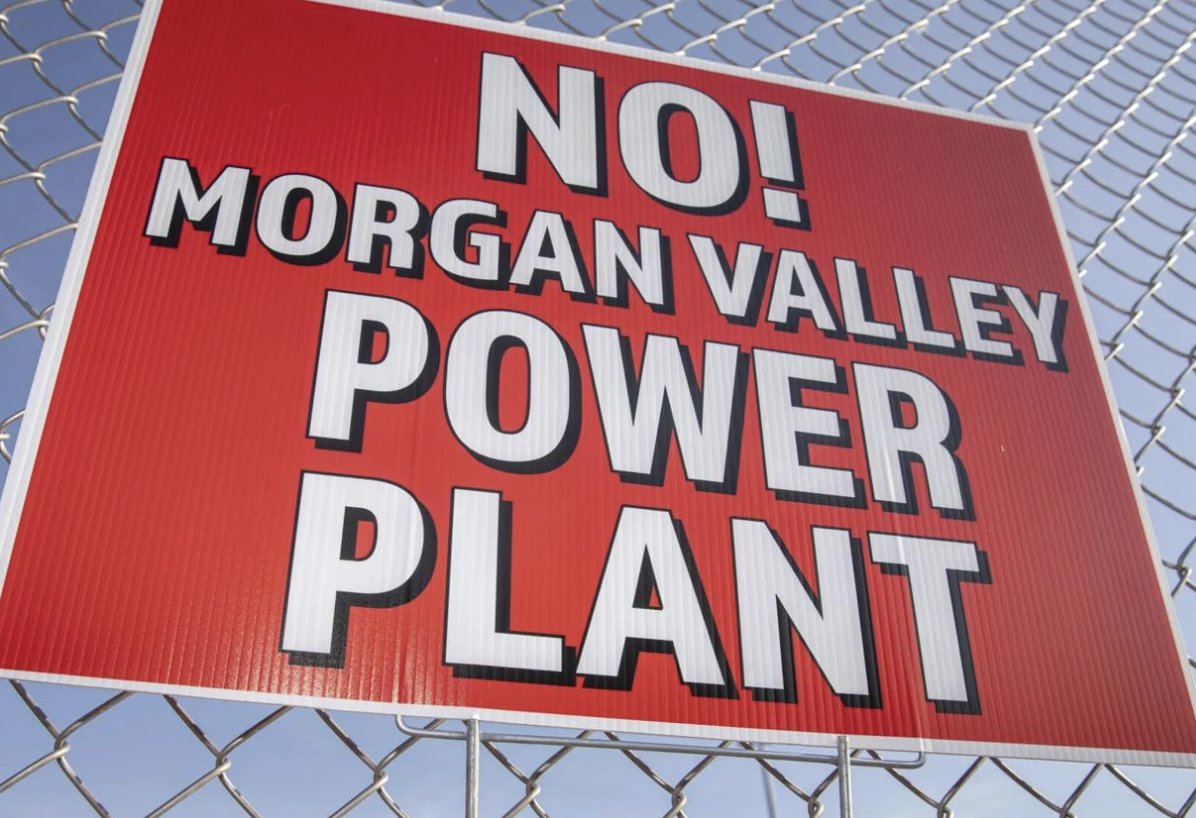
Alliant has separately proposed building a 720-megawatt natural-gas-fired electricity plant in Linn County. And the Iowa Utilities Commission in December unanimously approved Alliant’s request to build the 720-megawatt Bobcat Energy Center in Marshalltown.
IBCE puts the three projects’ combined estimated capital cost at about $3.5 billion.
The organization contends the investment would increase Alliant's rate base by nearly 50% and could increase the utility's annual profits by roughly $175 million.
“The question is simple: Why shouldn’t Alliant be required to show this large investment is in the best interests of ratepayers and if it is, that the data centers are paying their share of the cost?” Rafferty said. “Iowa needs transparency before ratepayers are locked into decades of higher costs.”
IBCE contends existing customers could ultimately shoulder costs if data-center demand does not materialize as projected or the rates charged to large-load customers do not cover the full costs of serving them.
Alliant disputes that existing customers would be left to absorb costs attributable to large energy users. The utility said its Individual Customer Rate agreements were designed to protect existing customers from absorbing costs associated with large energy users. The agreements also contain provisions that protect existing customers if anticipated demand fails to materialize, Alliant said. The agreements are reviewed and approved by the Iowa Utilities Commission, the company said.
Consumer advocate raises concerns
Comments filed Sept. 11 by the Office of Consumer Advocate, Clean Energy Districts of Iowa and the IBCE raised overlapping concerns about whether IPL has demonstrated a need for Riverhawk, whether it is a cost-effective way to meet growing electricity demand and how customers would be protected from construction and natural-gas costs.
The Office of Consumer Advocate (OCA), a division of the Iowa Attorney General’s Office charged with representing consumers before the utilities commission, estimates Riverhawk alone could cost between $1.32 billion and $1.98 billion. Combined with IPL’s separately proposed Morgan Valley Energy Center in Linn County, the two projects could cost between roughly $2.1 billion and $3.17 billion, excluding ongoing operating expenses.
OCA said Riverhawk was not identified in IPL’s 2025 Resource Evaluation Study and argued the company had not justified its need, cost or fuel impacts.
Alliant responded that its Resource Evaluation Study examined multiple scenarios and combinations of generation resources to identify the most reliable and cost-effective path forward. The study's five-year action plan identified a need for additional wind generation, battery storage and natural gas by 2030.
The utility said the study also recognized that its resource plans would change as projected demands and regional reliability requirements evolved.
Alliant rejects arguments
In its Sept. 17 reply, the utility dismissed the consumer advocate’s and coalition’s claims as “without merit.”
The utility referred to an Aug. 20 commission decision in a different IPL case. That decision said whether a project was “prudent, necessary, and cost-effective” was not decided in a generating-certificate proceeding. Instead, those questions — and whether the costs can be passed on to ratepayers — are decided later in the ratemaking process.
The company said the later proceeding provided a financial safeguard because the commission could reject recovery of an investment it determined was not prudent or needed.
Critics, however, argue that conducting that review after a multibillion-dollar plant has been constructed leaves customers and the utility exposed to risks that could have been examined before construction.
The consumer advocate, in its latest filing over Riverhawk, argued Alliant “should not be allowed to exploit the (Certificate of Public Convenience and Necessity) and advance ratemaking statute in a manner that would allow for the development of the largest natural gas facility on record with essentially no upfront review of the need for, cost of, or ongoing fuel cost impacts relative to other generation resource choices.”
The OCA argued that this plant “will be operated in a manner that potentially exposes IPL’s retail ratepayers to significant rates,” ongoing operation, maintenance and fuel cost impacts.
"Consumers deserve full transparency about the need, cost-effectiveness, fuel cost impacts, and customer impacts of the proposed power-generation facilities before customers are committed to decades of costs and risks,” Rafferty said. “If these projects are truly needed and represent the best choice for customers, the utility should have no problem demonstrating that through a rigorous public review process.”
The Iowa Utilities Commission has not yet issued a final decision on the Riverhawk or Morgan Valley applications.